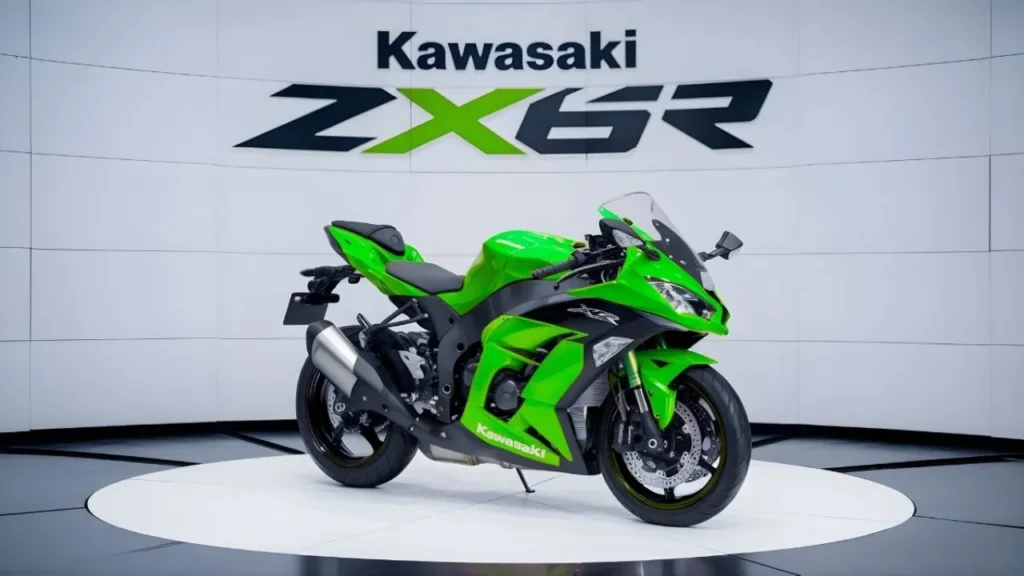
There’s something special about a motorcycle that doesn’t try to be everything to everyone. The 2026 Kawasaki ZX-6R knows exactly what it is: a sharp, agile, and honest supersport bike that rewards skill without intimidating newcomers. After years of rumors about the death of the middleweight class, Kawasaki proves there’s still plenty of life left in the 636cc formula.
I’ve always believed that the sweet spot for real-world riding isn’t a 200-horsepower liter bike. It’s a machine like this one – potent enough to thrill, light enough to toss around, and packed with just enough electronics to keep you safe without numbing the experience. Let’s take a closer look at what makes the 2026 ZX-6R a compelling choice for riders who still crave that visceral connection.
Aerodynamics That Actually Work (And Look Good Doing It)
Kawasaki’s design team didn’t just slap on sharp angles for show. The 2026 ZX-6R wears its aggressive bodywork with purpose. Every vent, every crease, and every panel gap has been shaped to cut through air more cleanly. The result? Less drag at highway speeds and noticeably better stability when you’re tucked in on a back road or racetrack.

The front fairing now channels air more efficiently around the rider, reducing buffeting on your helmet. Meanwhile, the tail section remains slim and minimal – a nod to pure sportbike heritage. LED lighting is standard front and rear, which not only looks modern but also helps you stand out to other drivers at night.
If you’re wondering about comfort, let’s be real: this isn’t a tourer. The riding position is committed, with clip-ons that put weight on your wrists and pegs that sit high and rearward. But Kawasaki has softened the seat foam just a touch for 2026, and the tank shape makes it easier to grip with your knees during hard braking. You’ll still feel it after a couple of hours, but that’s part of the deal with any true supersport.
The Heart: A 636cc Inline-Four That Punches Above Its Weight
Here’s where the ZX-6R separates itself from the 600cc crowd. The 636cc inline-four engine isn’t just about peak horsepower numbers – though it delivers plenty of those. What really matters is mid-range torque. On a twisty mountain road, you don’t want to wring the engine to 14,000 rpm just to feel alive. The 636cc mill gives you a healthy shove from 7,000 rpm onward, making corner exits and passing slower traffic far less frantic.
Kawasaki’s engineers have refined the fuel mapping for 2026, resulting in smoother throttle response right off idle. No more herky-jerky movements when you’re crawling through a parking lot or navigating city traffic. The power delivery is linear and predictable, which builds confidence if you’re coming from a smaller bike.
- Peak power arrives high in the rev range, keeping that addictive top-end rush.
- Mid-range torque is noticeably stronger than traditional 600cc rivals.
- Updated ECU calibration reduces abruptness at small throttle openings.
The six-speed transmission remains a highlight. Gear changes are precise and positive, with just the right amount of feedback through your boot. And the slipper clutch deserves a special mention – it dramatically reduces rear-wheel hop if you grab a downshift a little too aggressively while leaning into a corner. That’s a lifesaver on damp roads or bumpy pavement.
Handling That Makes You Feel Like a Better Rider
I’ve ridden dozens of sportbikes, and the ZX-6R has always been one of the most intuitive. The 2026 version continues that tradition. The lightweight aluminum frame strikes a rare balance: it’s stiff enough to track straight under hard acceleration, yet compliant enough to absorb mid-corner bumps without kicking you off line.
Steering is light and neutral. You don’t have to muscle the bike into corners. A simple press on the inside bar, and the ZX-6R drops in with predictable eagerness. Once leaned over, it holds its line beautifully – no standing up mid-corner unless you ask it to.
Suspension duties are handled by fully adjustable components at both ends. That means you can dial in preload, compression, and rebound to match your weight, riding style, and the road surface. For track days, you’ll want firmer settings. For bumpy back roads, backing off the damping a few clicks works wonders. If you’re not a suspension geek, don’t worry – the stock settings work well for average riders between 150–200 pounds.
Brakes and Safety Tech That Don’t Get in the Way
Stopping power comes from dual front discs gripped by radial-mount calipers. The initial bite is strong but not grabby, allowing you to trail brake deep into corners with confidence. ABS is standard, and it’s tuned to intervene only when necessary. On dry pavement with aggressive riding, you’ll rarely feel it. On wet roads or panic stops, it’s there to keep the wheels from locking up.
The traction control system offers multiple levels of intervention. You can turn it off completely if you’re experienced and want full control, or leave it in a more intrusive mode for rainy commutes. What I appreciate is that it doesn’t cut power abruptly like some older systems. Instead, it modulates smoothly, so you barely notice it working – you just feel the rear tire staying planted.
Other rider aids include:
- Power mode selection (full or low) to soften throttle response in slippery conditions.
- Quick-shifter for clutchless upshifts – perfect for hard acceleration out of corners.
- Compact digital dashboard with gear position indicator, lap timer, and fuel gauge.
Who Should Buy the 2026 Kawasaki ZX-6R?
This bike isn’t for everyone. If you want upright handlebars, heated grips, and saddlebags, look elsewhere. But if you’re a rider who lives for the perfect corner, who checks weather radar before a weekend ride, who watches MotoGP and thinks “I want some of that excitement” – then the ZX-6R deserves a spot in your garage.
Experienced riders will love how the chassis communicates every nuance of the road. You can feel exactly what the front tire is doing, which builds trust at high lean angles. Meanwhile, intermediate riders stepping up from a 400cc or 650cc parallel-twin will find the power manageable thanks to the linear delivery and adjustable rider modes.
One note: this is not a beginner bike. The 636cc engine still makes over 120 horsepower, and the aggressive ergonomics require some physical conditioning. But for anyone with a few seasons of riding under their belt, the ZX-6R is a fantastic next step.
Price, Value, and How It Stacks Up
Pricing for the 2026 Kawasaki ZX-6R varies by region, but it typically lands in the $10,000–$11,000 range (before taxes and fees). That’s significantly less than a liter-class superbike like the ZX-10R, while offering 80% of the track performance for daily riding. Compared to rivals like the Yamaha R7 or Aprilia RS 660, the ZX-6R feels more focused and sharper – though those alternatives offer better street comfort.
When you factor in Kawasaki’s reputation for reliability, relatively affordable insurance costs (compared to 1000cc bikes), and strong resale value, the ZX-6R makes financial sense for a dedicated sport rider. You’re not just buying a motorcycle; you’re buying into a legacy of proven engineering.
Final Thoughts: Still the Middleweight King?
The supersport segment has thinned out over the years. Many manufacturers abandoned 600cc and 636cc models in favor of naked bikes or adventure tourers. That makes Kawasaki’s continued commitment to the ZX-6R all the more admirable.
Does the 2026 model reinvent the wheel? No. But it doesn’t need to. It refines a winning formula with better electronics, improved aerodynamics, and that same glorious engine that’s won over fans for years. If you value feedback, precision, and the pure joy of carving corners, this bike will put a grin on your face every time you swing a leg over it.
Just be prepared for sore wrists and a permanent smile. Some things never change.
Disclaimer: This article is provided for general informational and entertainment purposes only. All specifications, features, pricing, and availability for the 2026 Kawasaki ZX-6R may vary by country and region. Always verify current details with official Kawasaki documentation or an authorized dealer before making any purchase or riding decisions. Ride safely and within your limits.


Hi, I’m Salman, the author and creator of Volton. I’m passionate about smartphones and automobiles, and I enjoy researching and sharing the latest updates, specifications, and trends in these fields. Through Volton, I aim to provide honest, informative, and user-focused content that is easy to understand and genuinely helpful for readers. I believe in quality research and clear information, and my goal is to keep this platform reliable and up to date.