Games That Teach You Something Without Feeling Like Lessons
A game that announces it is teaching you has already failed. The games that teach best are the ones where the lesson hides inside the fun.


The best moments in gaming are not the easy wins. They are the comebacks: one life left, one point behind, and a win that should not have happened.
The correct difficulty is the one where you win sometimes and lose sometimes. Here is how to find it — and why changing it mid-game is not a failure.
The best solo games are social in disguise: a score to beat, a run to describe, a puzzle to solve together. Playing alone and playing lonely are different things.
Before you blame the game, check the four usual suspects: a stale cache, an old browser, a blocked script, and a tired connection. Most loading problems are one of these.
Idle games are the quietest revolution in browser gaming: games that progress while you are away, and reward the player who checks back at the right moment.
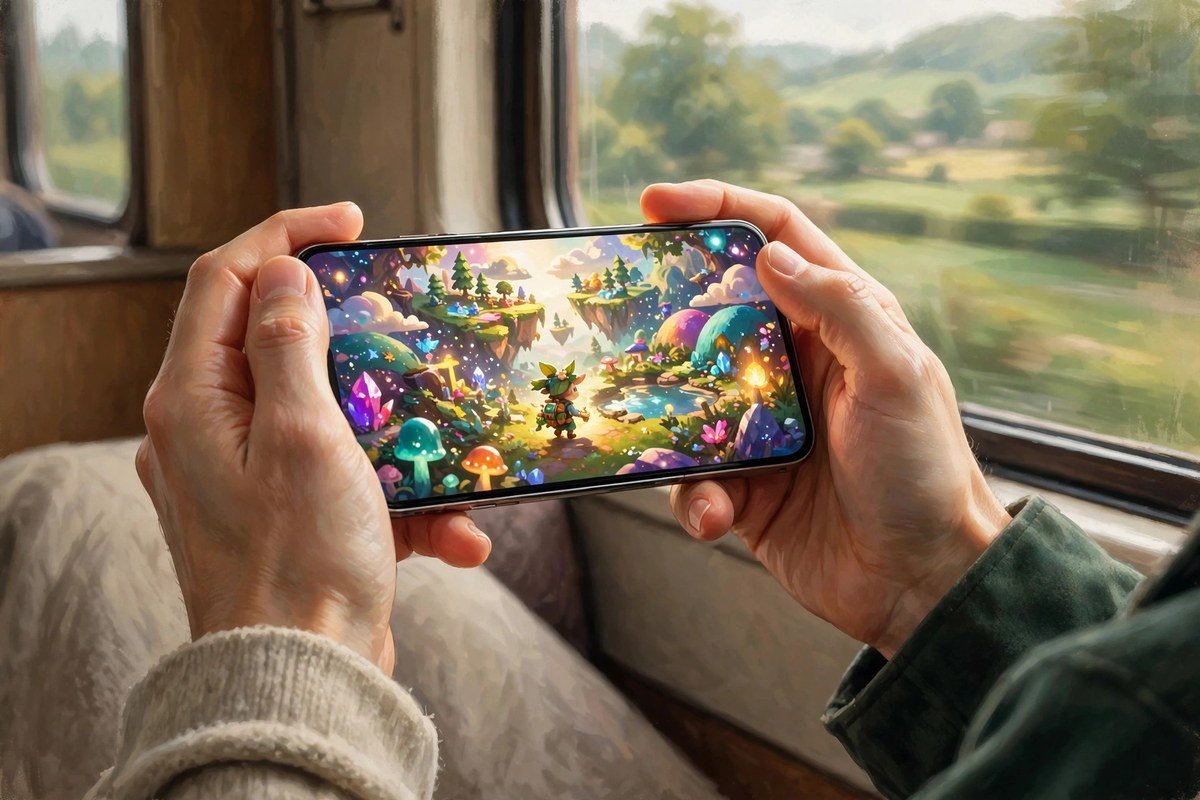
A phone is a perfectly good games machine once you stop fighting it. Pick the right games, hold it right, and let your thumbs do the work.
The games that are hardest to quit are not the most fun ones — they are the ones built around loops that never quite finish. Here is how the loops work.
Real speed is a number. Felt speed is a design trick built from scenery, sound, traffic and narrow escapes — and the best racing games know the difference.
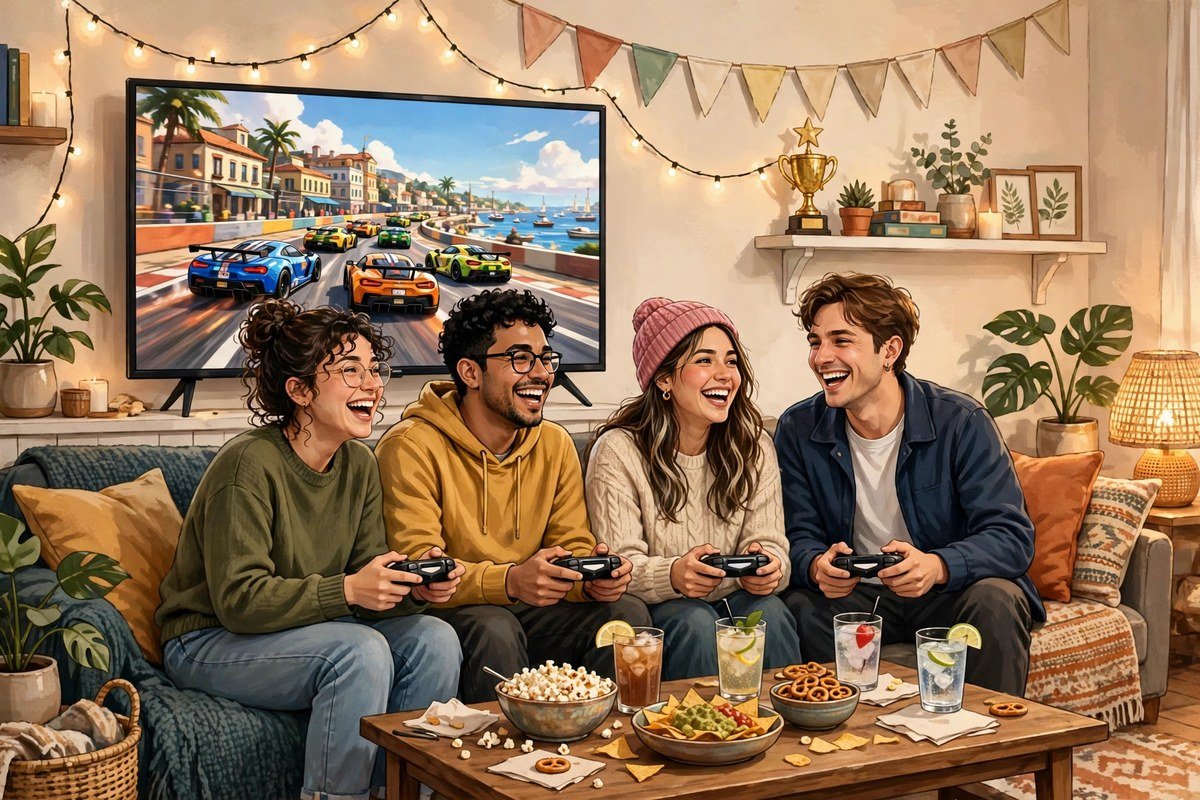
A home tournament is the easiest party to run: pick three quick games, seed the players, keep the matches short, and let the bracket do the drama.
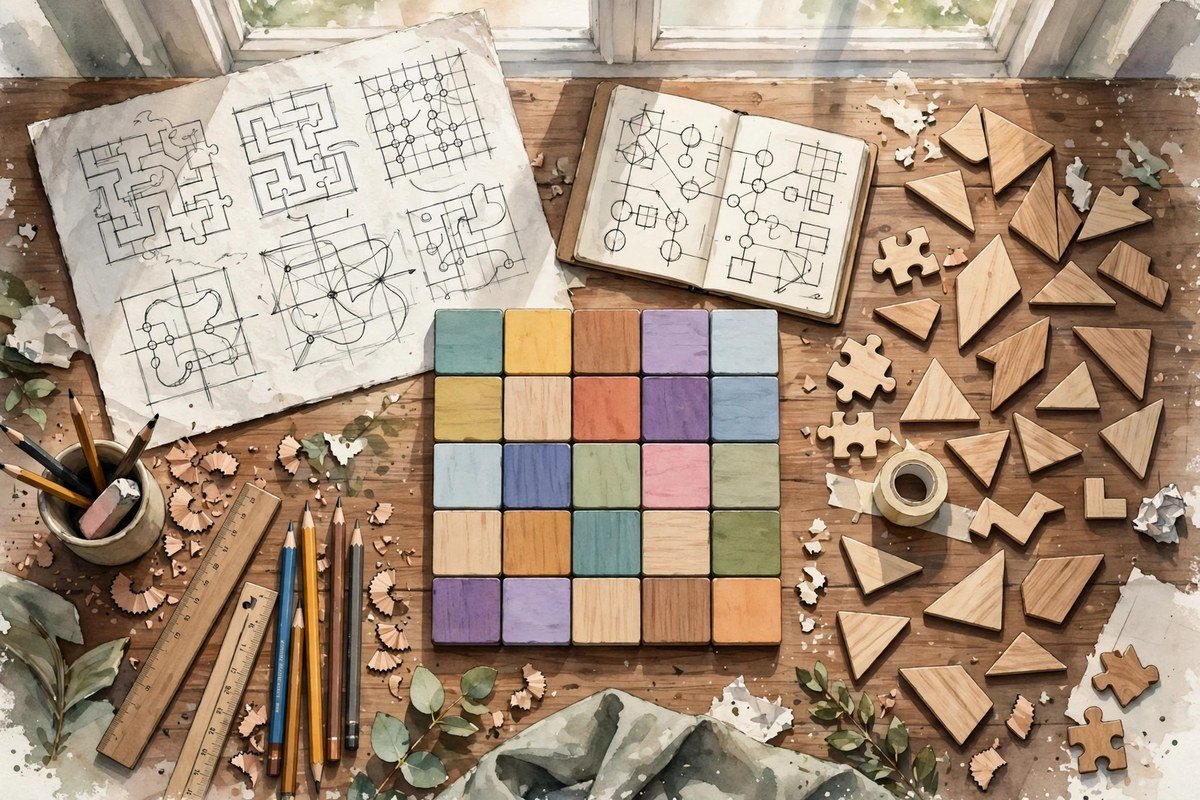
Fair puzzles feel hard and satisfying. Unfair ones feel hard and annoying. The difference is information: a fair puzzle shows you the whole problem.
Accessible game design is not a special feature. It is the same simplicity that makes a game easy for anyone to pick up — one input, clear feedback, no rush.
Turn the sound off in your favourite game and it feels like a different game. That is because sound is doing half the work — timing, feedback and mood.
Games are a good way to unwind after work, until they are not. The difference is a plan: a time, a game, and a stopping point you chose in advance.
Frustration is the real opponent in any losing streak. Here is how to spot it early, step back, and come back playing better.
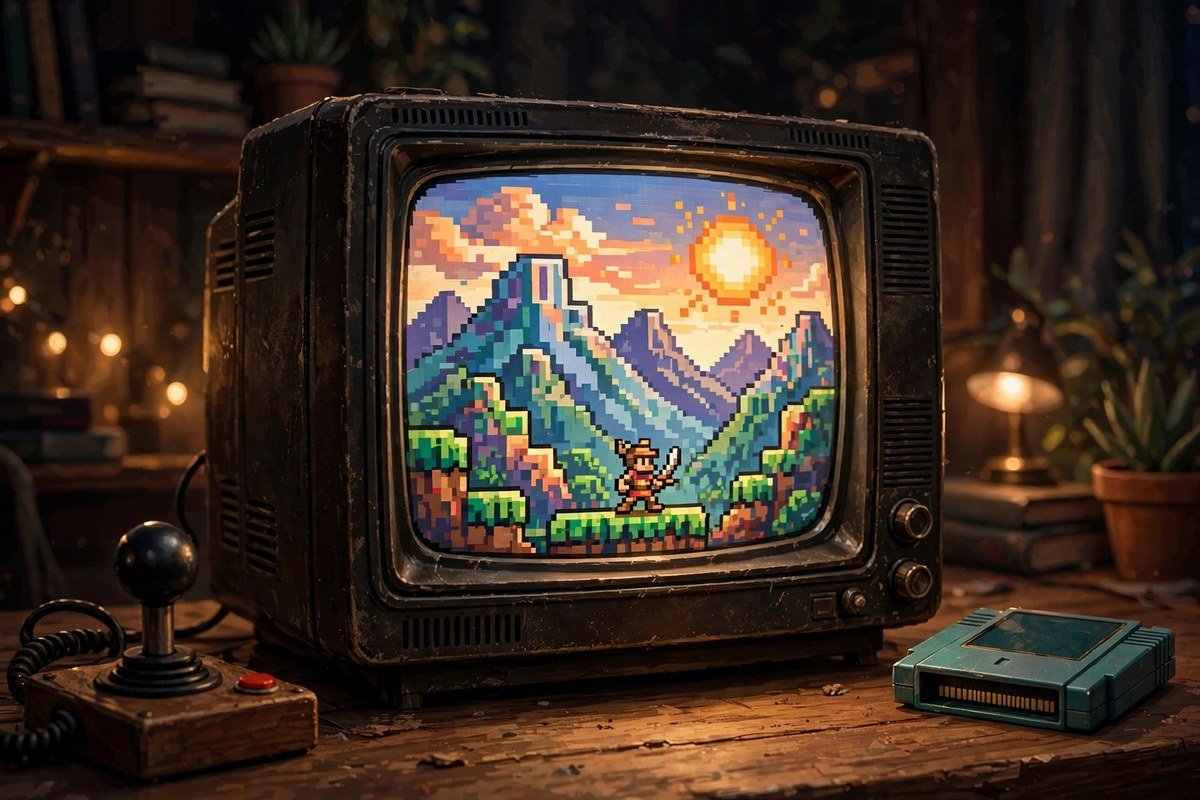
Modern games can draw anything, yet pixel art refuses to die. The secret is constraint: fewer pixels force clearer, more readable design.
Two generations, one keyboard, zero setup. Why free browser games are the simplest shared activity a family can start in five minutes.
The difference between a goal you keep and one you forget is specificity. Here is how to set gaming targets that survive the week.
Fast games get the attention, but slow puzzles offer something rarer: a problem worth sitting with, and the quiet pleasure of solving it properly.
A practical method for learning any new browser game in minutes — watch the first screen, fail on purpose, and let the game teach you.
An architectural examination of audio node graphs, procedural chiptune synthesis, and psychoacoustic audio cues in HTML5 web games, demonstrating how sound drives cognitive reaction speed.
A deep dive into classic arcade mechanical design, comparing 3-minute coin-op loops with modern HTML5 browser games and examining why timeless mechanics continue to dominate casual gaming.
An exploration into computational thinking, spatial geometry, and recursive logic loops found in browser puzzle architecture, explaining how casual gameplay exercises executive function.
Essential ergonomics advice covering monitor angle, wrist alignment, eye relaxation routines, and how to maintain long-term physical wellness while gaming.
Examining the delicate balance between player skill and escalating challenge that produces deep mental focus, stress reduction, and rewarding arcade play.
Learn how mechanical key travel, capacitive touch surface friction, and display refresh rates impact reaction speeds in fast-paced arcade titles.
Understand how modern browser sandboxing prevents malware, protects family privacy, eliminates device storage bloat, and avoids predatory microtransactions.
A deep-dive technical guide into V-Sync, Chrome and Safari hardware flags, GPU rasterization, and techniques for butter-smooth latency-free browser gameplay.
How short 10-minute sessions of pattern recognition, spatial geometry, and reflex-based casual gaming stimulate working memory and problem-solving skills.
Explore the dramatic transition from proprietary browser plugins to open web standards, hardware-accelerated WebGL pipelines, and zero-install instant gaming.